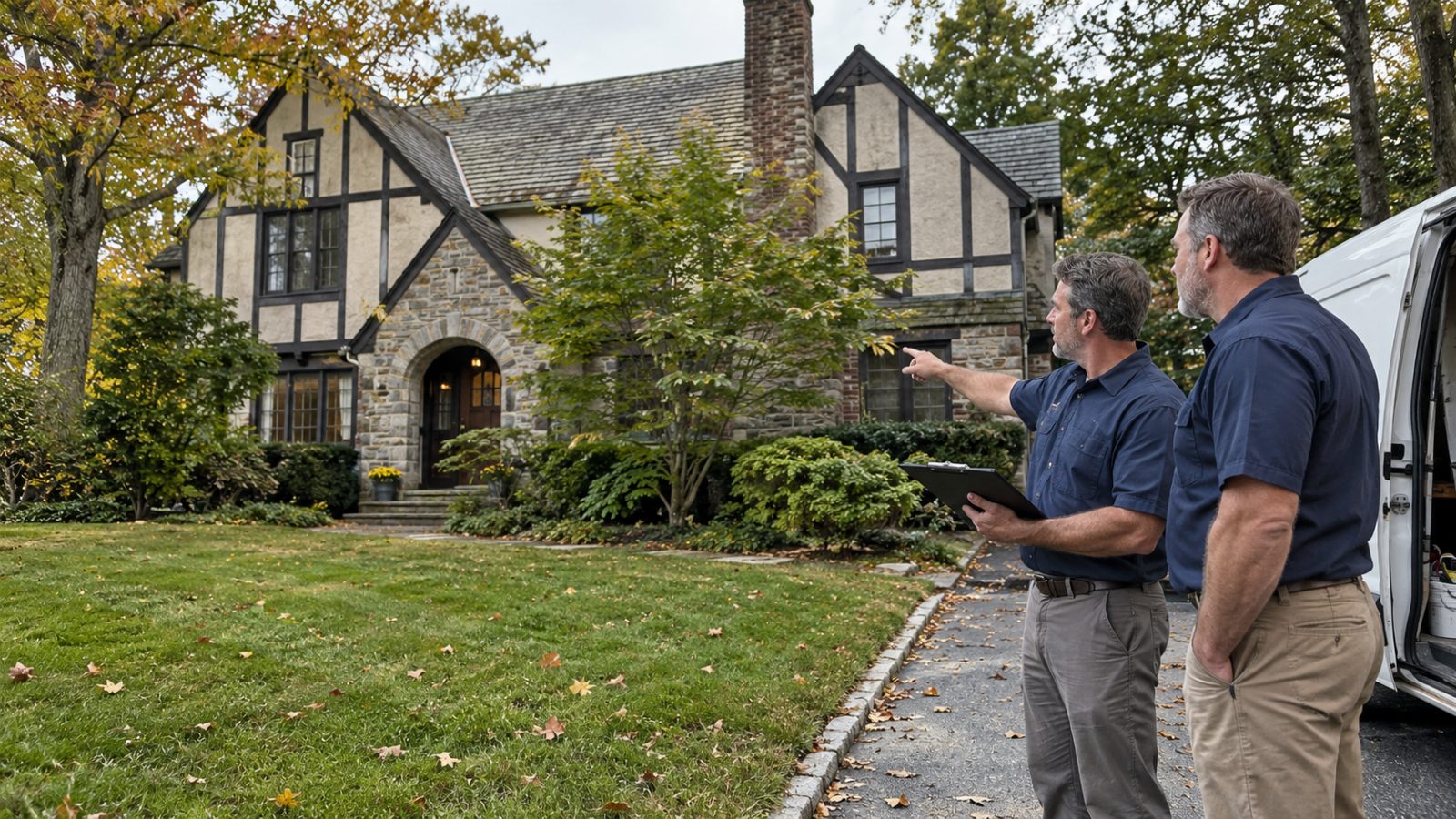
A practical plan for your household
Residential Asbestos Removal in Scarsdale
Start with your home's specific concerns. Get a Free Estimate
A practical plan for your household
Start with your home's specific concerns. Get a Free Estimate
Residential asbestos removal should start with an assessment of the materials and the work you intend to carry out. New York's Department of Labor recommends using licensed asbestos contractors with certified workers to reduce the risks of exposure and contamination. Department of Labor
Scarsdale Asbestos Connect helps homeowners in Scarsdale and nearby Westchester communities organize the questions that come before a removal agreement. Tell us whether you are planning a renovation, addressing identified damage, or working from an inspection report. We focus the conversation on the affected areas, the household arrangements you need, and the responsibilities that should be written down. Your estimate should reflect your home's circumstances, not an assumption that every residential project needs the same scope.
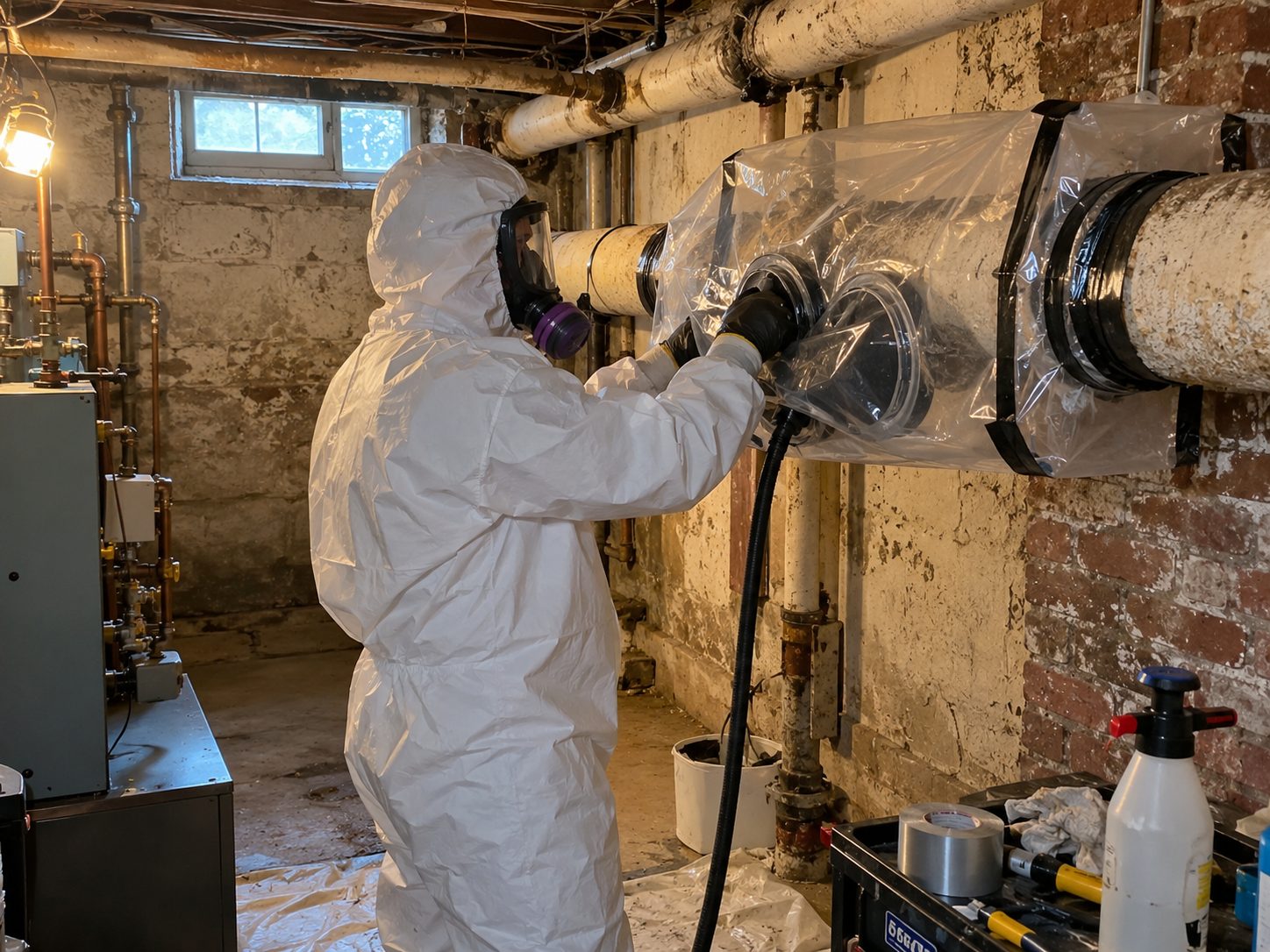
Build the plan around the assessed materials Start by matching the proposed removal areas to the available assessment and your renovation plans. Ask which rooms are included, what remains outside the scope, and how additional findings would be handled. The following planning areas help turn a general request into a proposal you can understand and compare.
For a project limited to one room or a clearly identified section of the house, ask for boundaries that are easy to recognize. The proposal should describe the material being addressed, the room or surface involved, and any adjoining areas included in the work. Tell us what you expect to happen afterward, whether that is a contractor's inspection, a repair, or the next stage of a renovation. We also encourage you to ask about the route into the room, the belongings normally kept there, and who is responsible for preparing the space. Do not assume that a small work area answers every access question. A written plan should explain what you need to arrange before the start, which responsibilities belong to the contractor, and how the completion of that defined scope will be communicated.
When an assessment identifies material in more than one area, keep the scope organized by location rather than accepting a vague whole-house description. Ask for each included area to be named and for any exclusions to be explained. This gives you a clearer basis for comparing proposals and deciding whether the work should be considered together or discussed in separate stages. Our planning conversation starts with how you use those spaces and what the wider renovation requires. You may need one area addressed before another contractor can continue, while a different part of the home is not part of the current project. Ask how the proposed sequence supports that goal, what assumptions the price depends on, and how a change to one area would affect the agreement for the others.
Tell us early whether the home is occupied and which rooms or services you rely on every day. Include pets, visiting caregivers, home-working arrangements, and any difficulty using an alternative entrance. We want these details included in the planning discussion rather than left until the last conversation before work begins. Ask for a clear explanation of the proposed access restrictions and any temporary arrangements you should consider. Household members and pets must remain outside the asbestos work area until the work and applicable completion steps are finished. U.S. Consumer Product Safety Commission Whether other parts of the home can remain occupied needs a project-specific decision from the responsible professionals. We do not promise that every household can stay in place or assume that every project requires a complete move-out; ask for the decision and its basis in writing.
Bring the renovation scope into the discussion, not just the name of the room being changed. Explain what your builder intends to remove, open, replace, or retain, and share any drawings or written work descriptions you already have. The aim is to connect the asbestos proposal to the actual project rather than leave the removal contractor and renovation contractor working from different assumptions. Ask who will communicate the completion requirements and when the next trade may enter the affected area. The agreement should also distinguish asbestos removal from reconstruction, decoration, and replacement materials. We recommend naming the person responsible for each next step and recording changes before additional work is authorized. A clear handover is more useful than an informal promise that everything will be ready when the builder arrives.
| Service | Estimated Cost | Average |
|---|---|---|
| Defined-room residential removal | Project-specific written estimate | Not published |
| Removal across several assessed areas | Project-specific written estimate | Not published |
| Removal coordinated with a renovation | Project-specific written estimate | Not published |
No verified company price range or average is published here. Ask whether the estimate includes assessment-related charges, removal, access arrangements, applicable monitoring, waste handling, and completion records. Separate optional work and reconstruction from the removal price, and request written approval procedures for any change.
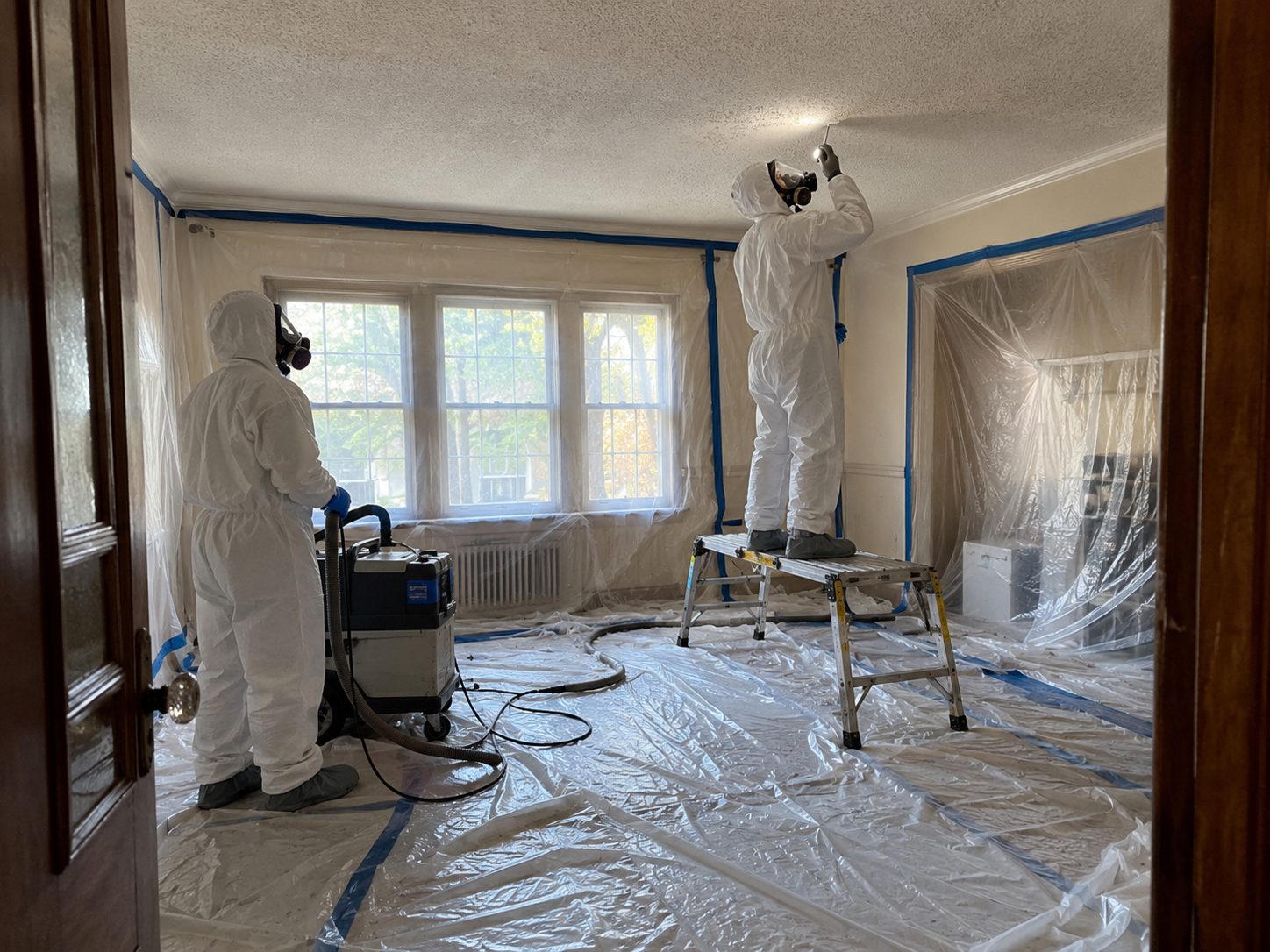
We ask how the proposed work fits your home and routine. The plan should answer practical questions as well as identify the affected materials.
We encourage room-by-room descriptions and clear exclusions. That helps you compare like-for-like proposals instead of totals that may cover different work.
You should know what information is still needed and who provides it. We favor clear responsibilities over assumptions about what someone else will arrange.
Start with the part of the home that concerns you. We will help frame the questions your residential removal proposal needs to answer.
Free — no obligations
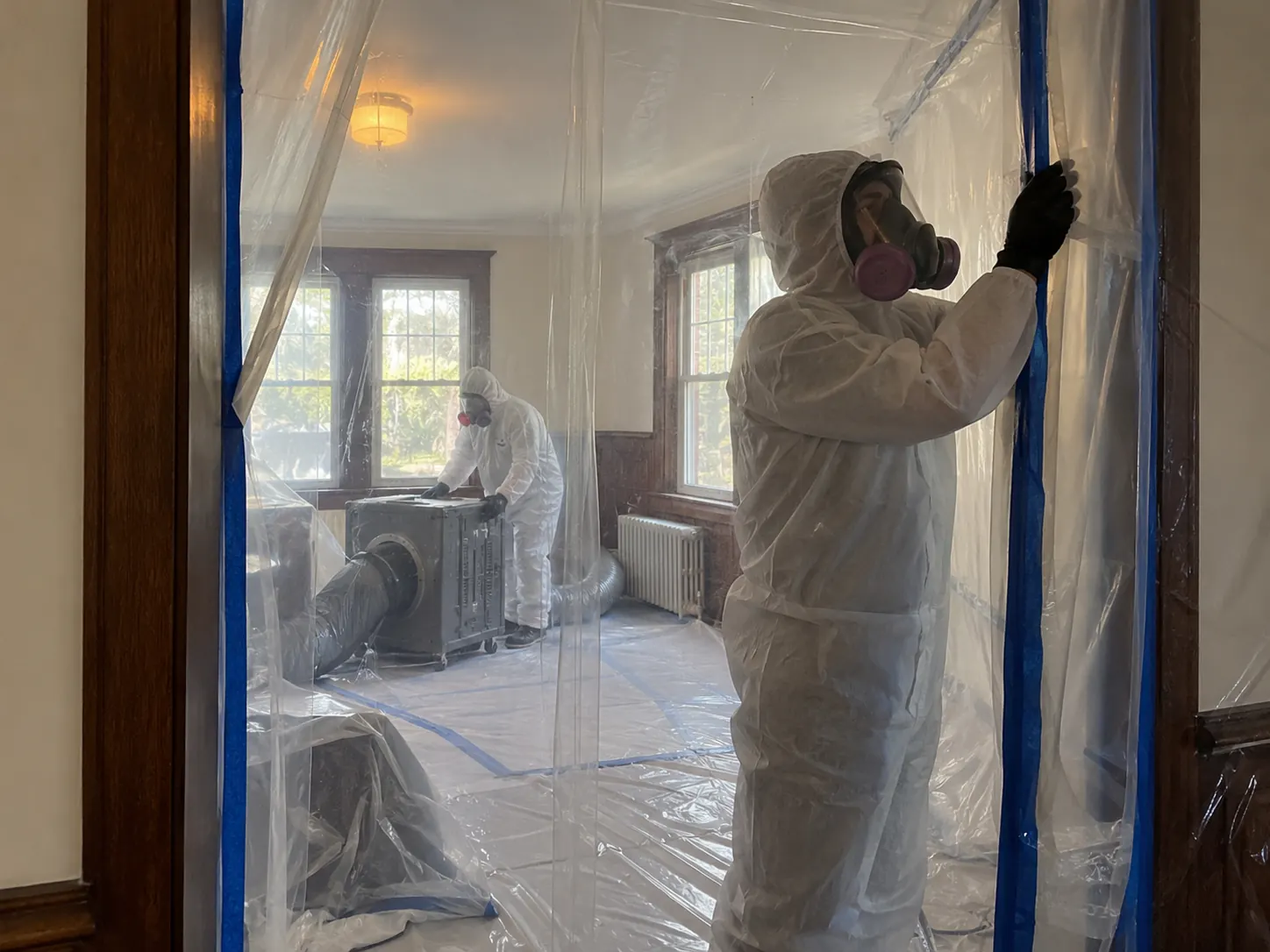
Share the address, affected areas, available reports, and intended renovation. Explain any damage, occupancy concerns, or dates already discussed with another contractor.
Identify what has been professionally assessed and what remains uncertain. Ask for the removal boundaries and the company responsible for regulated work to be identified.
Check the price, exclusions, access plan, applicable monitoring arrangements, and completion requirements. Resolve questions before approving the work or relying on a start date.
Ask how completion will be communicated and which records will be supplied. Coordinate the next stage of renovation only after the responsible professionals confirm the area is released.