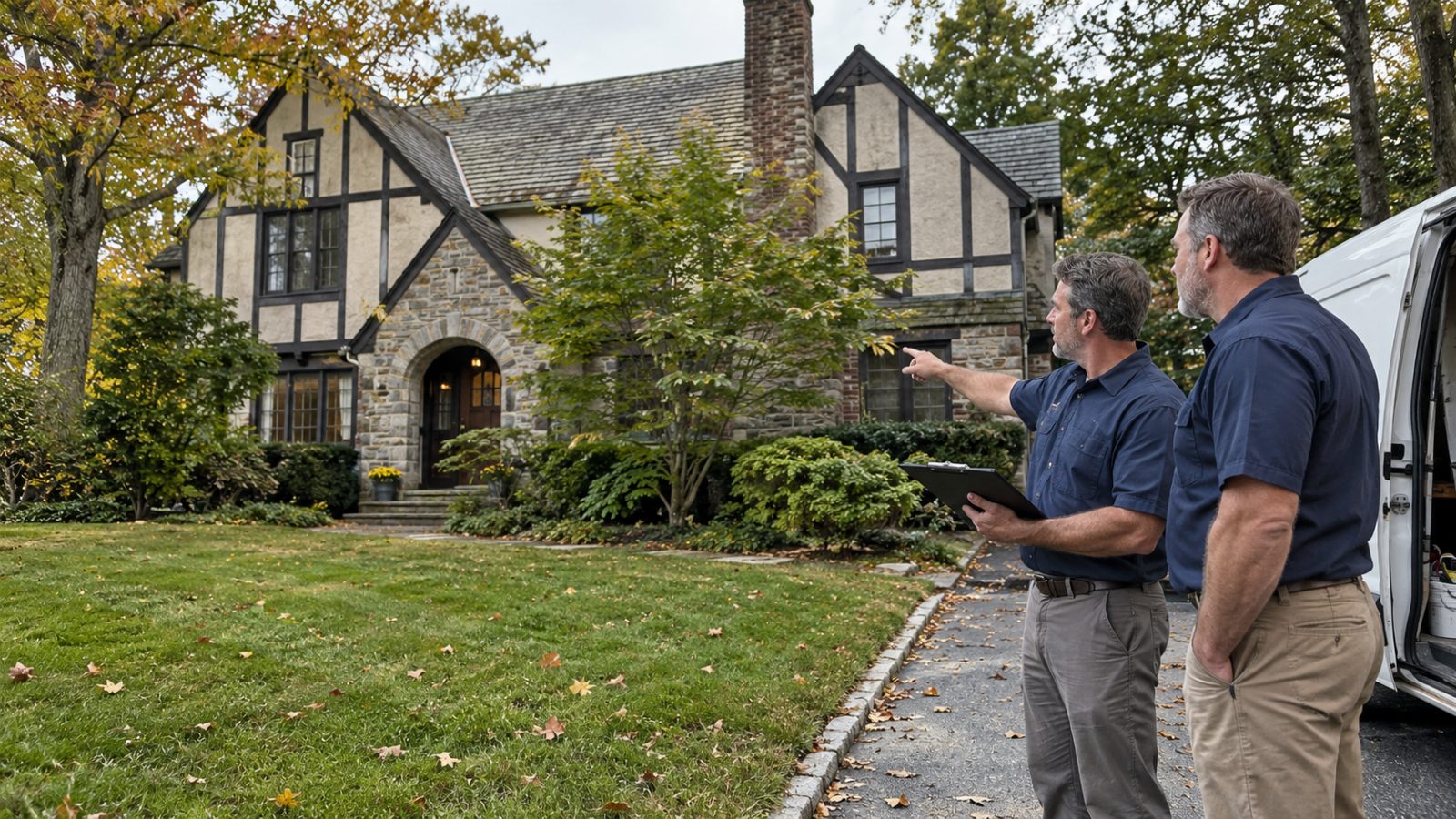
Understand the ceiling before changing it
Asbestos Ceiling Removal in Scarsdale
Start with the affected room and your plans. Get a Free Estimate
Understand the ceiling before changing it
Start with the affected room and your plans. Get a Free Estimate
Some textured ceiling finishes and ceiling tiles can contain asbestos. A material's appearance is not enough to confirm what it contains, so arrange professional assessment before work that would disturb a suspect ceiling. NJ.gov
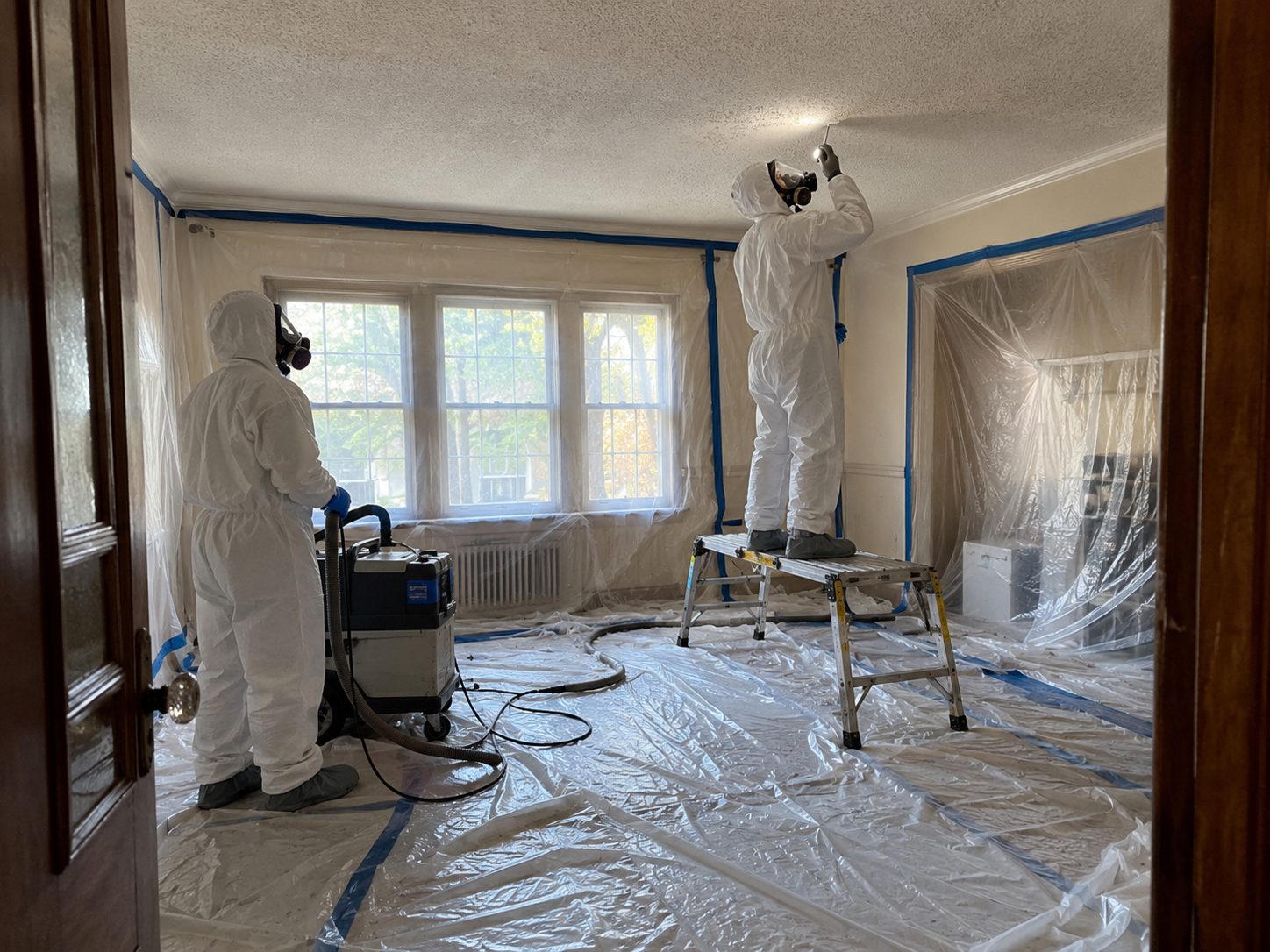
Scarsdale Asbestos Connect helps you organize an asbestos ceiling removal request around the affected room, the available report, and the result you need. You may be planning a new finish, changing lighting, or addressing a ceiling that has already been damaged. Tell us which situation applies and whether another contractor is involved. We encourage a proposal that distinguishes the identified asbestos material from the surrounding ceiling construction and the restoration work that may follow.
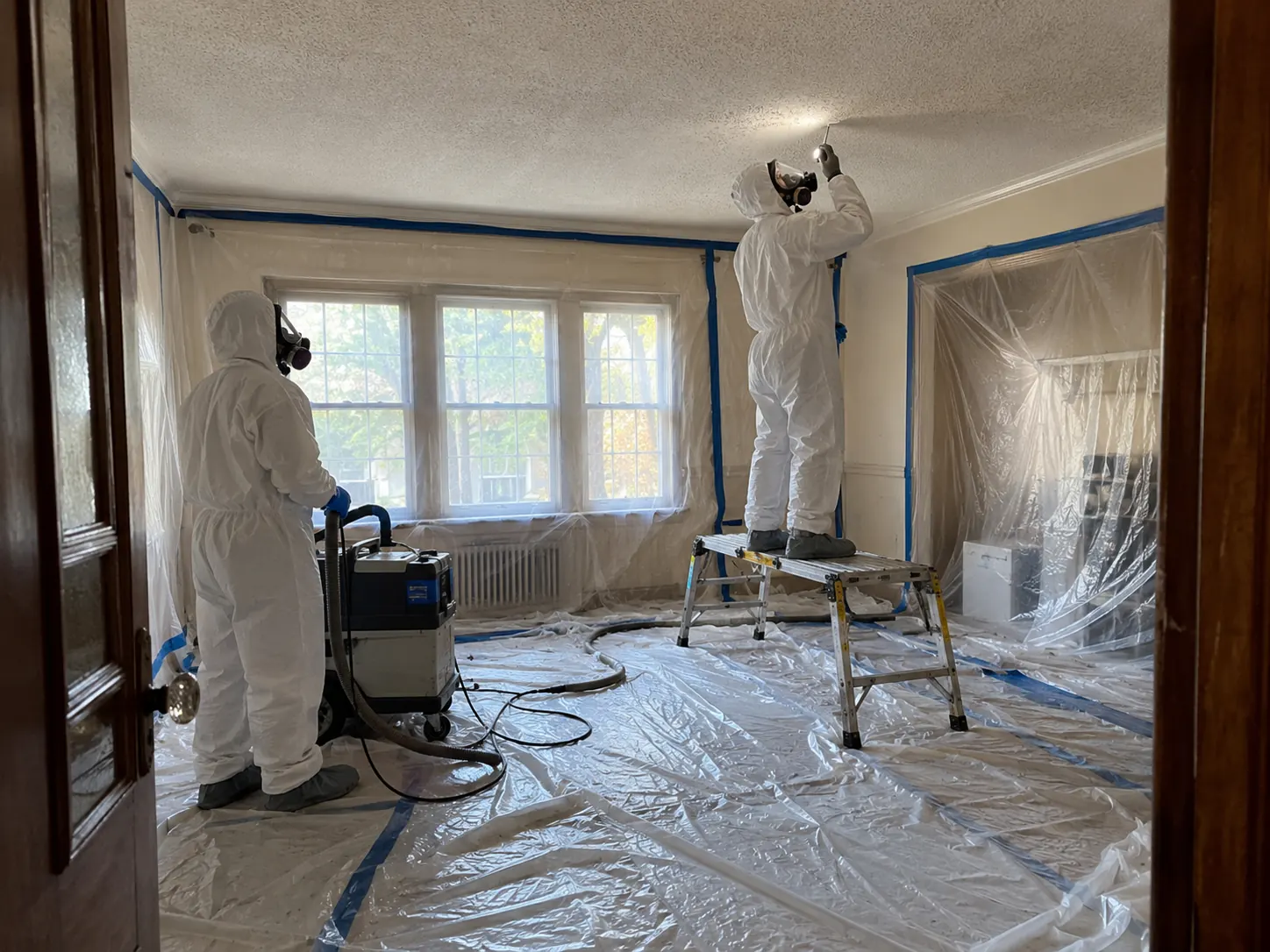
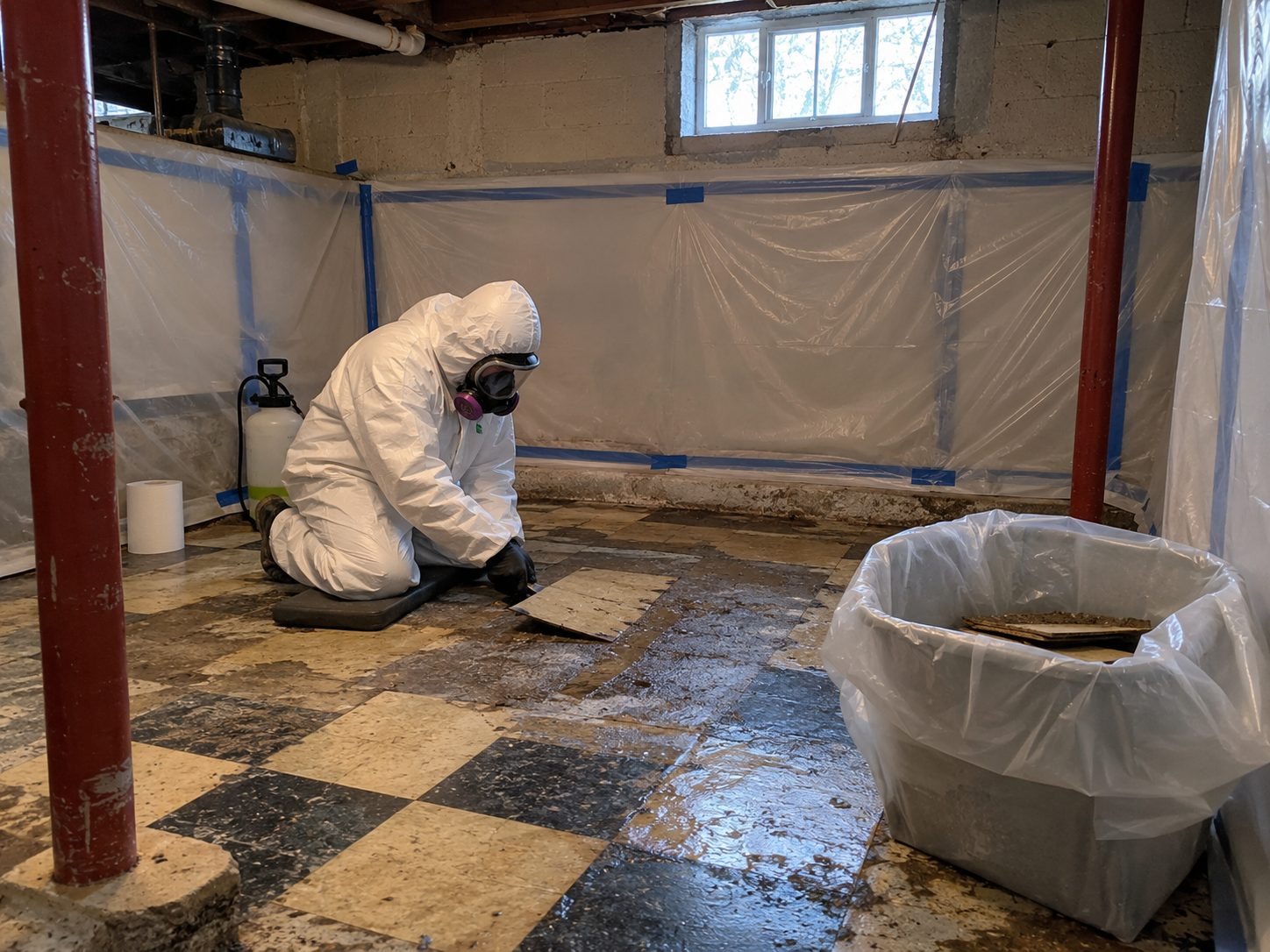
Match the removal scope to the assessment Ask which ceiling materials have been assessed and which findings support the proposed work. The estimate should identify the included rooms or sections and explain what will remain afterward. A request to remove a ceiling should not leave the material boundaries or the expected handover condition undefined.
When an assessment identifies asbestos in a textured finish, ask for the proposed removal area to be described by room and surface. Explain whether your goal is a different decorative finish or access for a wider renovation. The written proposal should distinguish the identified finish from the supporting construction and explain the limits of the agreed work, including any area still awaiting assessment. We encourage you to ask what the surface will be like at handover and who will decide the next preparation steps. Do not assume that removal includes a fully repaired, skimmed, primed, or painted ceiling. Share the proposal with the contractor handling the new finish and resolve unclear expectations before approving the job. You should know whether you are buying asbestos removal alone or an expressly described package that includes additional work.
For a tiled ceiling, bring the available report into the scope discussion and ask which identified components are included. Describe the room and the intended alteration without removing tiles to investigate. The proposal should make clear whether it covers the assessed tiles alone or any other identified material, and it should acknowledge sections that have not yet been evaluated. Tell us about the existing lighting, access points, and the replacement ceiling you have in mind. We recommend asking the relevant contractors to agree on who handles each part of the wider project and when that work may proceed. Keep those responsibilities separate from the asbestos description so the agreement remains readable. A clear scope should help you understand the proposed removal without implying that every ceiling component has the same composition or needs the same treatment.
Explain what happened, when the damage was noticed, and whether there is an existing assessment or incident report. Where suspected asbestos material is damaged, leave it undisturbed and obtain professional advice rather than attempting to sweep up or remove loose pieces yourself. U.S. Consumer Product Safety Commission Start the estimate conversation with the information you already have, without entering a restricted or potentially affected area to gather more. Ask how the assessment will define the affected scope and how any related repair work will be coordinated. We do not treat a brief description as enough to promise a cleanup method, a start date, or a fixed completion time. Your written proposal should explain what has been evaluated, what remains uncertain, and who is responsible for addressing the cause of the damage and the later ceiling restoration.
Tell us about planned lighting openings, room changes, or other work that brings a contractor into contact with the ceiling. Share drawings or a written renovation description where available. The aim is to connect the asbestos assessment and removal proposal to the actual areas the project will affect, rather than discuss the ceiling in isolation from the work that prompted your request. Ask who coordinates with the electrician, builder, or decorator and how they will receive confirmation that the affected area is released. Your agreement should explain whether any fixtures or surrounding finishes are included in preparation or reinstatement. We encourage you to name the person responsible for resolving those questions before work begins. The result should be a practical sequence with defined responsibilities, not a collection of separate appointments based on different assumptions.
| Service | Estimated Cost | Average |
|---|---|---|
| Identified textured ceiling material | Written estimate after assessment review | Not published |
| Identified ceiling tile removal | Written estimate after assessment review | Not published |
| Several rooms or a damage-related scope | Project-specific written estimate | Not published |
No verified company price range or average is published. Ask what the estimate includes for the assessed materials, room access, preparation, applicable monitoring, waste handling, and completion records. Ceiling repair, replacement finishes, electrical work, and painting should be expressly included or clearly excluded.
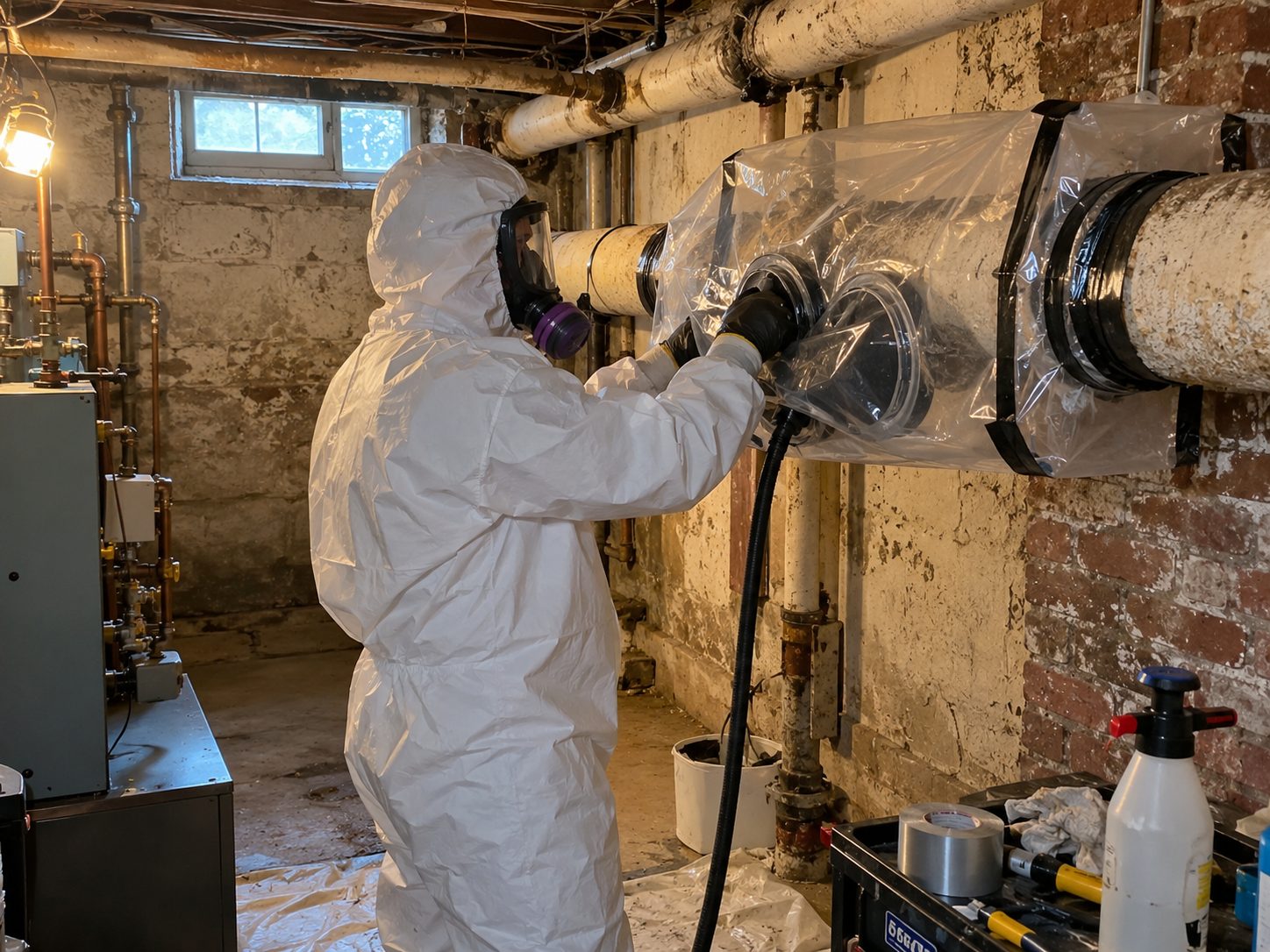
We encourage a proposal tied to the assessment. You should know whether the work addresses a finish, tiles, or another identified ceiling material.
We ask what you expect after removal. That gives you a chance to resolve the difference between an abatement handover and a finished ceiling.
Tell us how the affected space is used and what access you need elsewhere. Those practical details should inform the project conversation from the beginning.
Describe the ceiling, the room, and what you want to change. A useful removal plan starts with those details.
Free — no obligations
Share the address, affected rooms, available assessment, and any planned renovation. Mention damage or prior disturbance without attempting to investigate the material yourself.
Ask which identified materials the proposal includes and which surrounding components remain outside the scope. Record any unresolved assessment questions before finalizing the agreement.
Review household arrangements and the division of work between the removal contractor and other trades. Agree on the expected condition at handover rather than relying on assumptions.
Obtain the applicable completion information before other trades return to the affected area. Keep the assessment and removal records with the wider renovation documents.