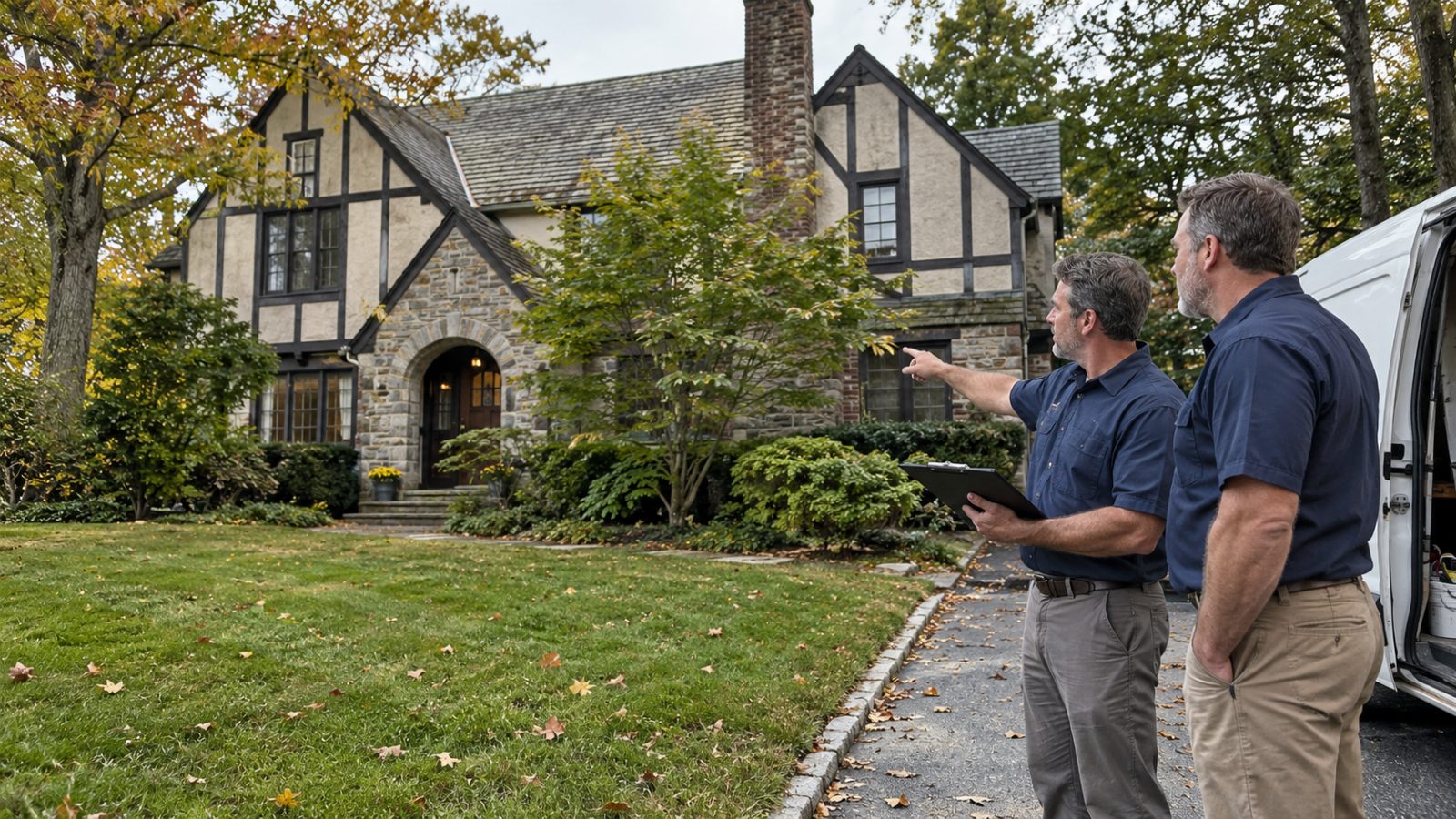
A careful plan for affected pipework
Asbestos Pipe Insulation Removal in Scarsdale
Explain where the insulation is located. Get a Free Estimate
A careful plan for affected pipework
Explain where the insulation is located. Get a Free Estimate
Older pipe insulation may contain asbestos, and damaged material needs professional attention. Do not pull it away, brush it, or attempt a household cleanup of fallen debris. Keep the area undisturbed while arranging an assessment. U.S. Consumer Product Safety Commission
Scarsdale Asbestos Connect helps you frame a removal request around the affected pipework rather than a vague description of the basement. Tell us where the insulation is, whether a report identifies asbestos, and whether a plumber or heating contractor is waiting to begin work. We focus on the included pipe runs, access questions, household needs, and the point at which the next contractor can take over. Share existing information without touching the insulation to measure or inspect it.
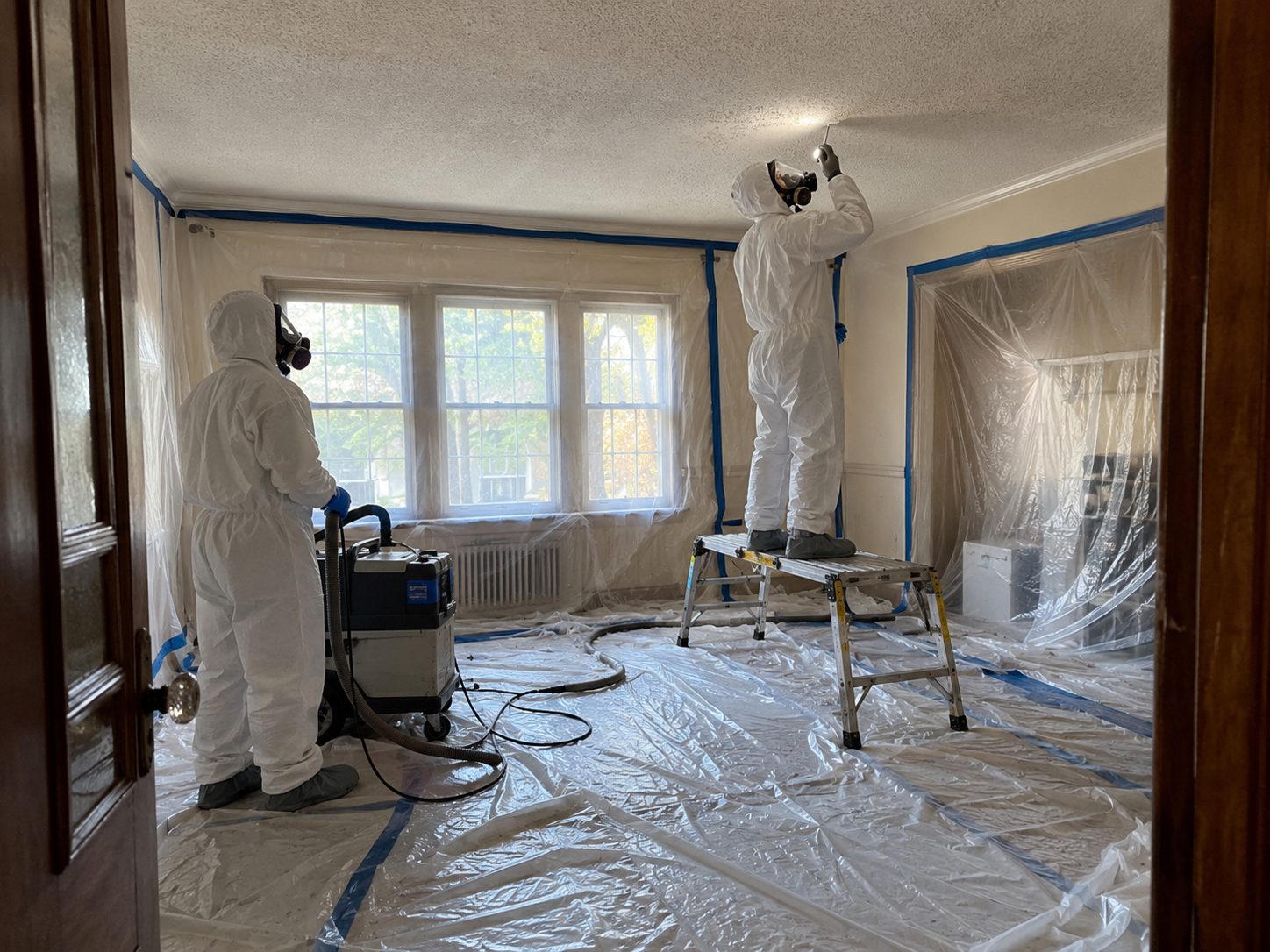
Describe the pipework and the intended result A useful proposal should identify the assessed insulation and where it is located. Ask for the included runs and sections to be described clearly, along with any inaccessible areas. Tell us whether the aim is to address identified damage or prepare for planned heating or plumbing changes.
For visible pipework, describe the part of the basement involved and share any existing assessment that marks the included runs. Ask the contractor to confirm quantities and boundaries rather than trying to reach or touch the insulation yourself. The proposal should be clear about where the work begins and ends, including any sections that remain outside the agreement or require further evaluation. We also ask about the room beneath the pipework: its normal use, stored belongings, and the route people take through it. Those details help frame the access discussion without assuming a standard arrangement for every basement. Ask who is responsible for preparing the area, what restrictions will apply, and how the completed work will be explained to any plumber or heating contractor involved in the next stage.
When your report identifies insulation around particular fittings or connections, ask that those locations be named in the removal proposal. Do not assume a general reference to pipe insulation includes every component near the heating system. A clear scope should let you connect the described work to the assessment and to the specific changes another contractor intends to make. Tell us whether a repair or replacement project has already been discussed and whether the other contractor has supplied a written work description. We encourage the parties to resolve unclear boundaries before dates are booked. Ask who will identify additional suspect material if it is encountered and how a revised scope would be approved. The aim is to keep your agreement understandable without promising that every hidden condition can be known in advance.
Share the heating or plumbing contractor's proposed work before you approve the asbestos removal scope. Explain which system is involved and what household arrangements would be difficult during an interruption. We do not assume that insulation removal includes shutting down, repairing, or restarting equipment; those responsibilities should be assigned clearly to the appropriate contractor in the written plan. Ask what needs to happen between asbestos work and the return of the next trade. New York's asbestos rules address replacement of removed insulation where the affected building system is not being replaced or demolished. Department of Labor Have the responsible professionals clarify the applicable replacement obligations and who will carry them out. Your proposal should distinguish the removal work from new insulation, equipment work, and any other tasks needed to complete the wider project.
Tell us when the insulation is in a low space, behind a finished enclosure, or visible only in part. Describe what you can observe without entering or disturbing the area, and provide existing drawings or reports where available. Ask the assessor and contractor to explain which sections can be evaluated and which remain uncertain, rather than accepting a price that quietly assumes unrestricted access. Your agreement should address how access-related questions will be resolved and who authorizes any additional work. We encourage separate descriptions for the asbestos scope and any opening or reinstatement of surrounding construction. That makes it easier to understand what is included and to compare proposals fairly. A useful plan records the limits of the available information and gives you a clear process for decisions if those limits affect the job.
| Service | Estimated Cost | Average |
|---|---|---|
| Defined accessible pipe-insulation sections | Site-specific written estimate | Not published |
| Several identified runs and fittings | Site-specific written estimate | Not published |
| Restricted-access insulation removal | Estimate after access review | Not published |
No verified company average is published. Ask the estimate to identify the assessed quantities, access assumptions, included preparation, applicable monitoring, disposal arrangements, and completion requirements. Heating work, plumbing repairs, replacement insulation, and reinstatement should be listed separately or expressly included.
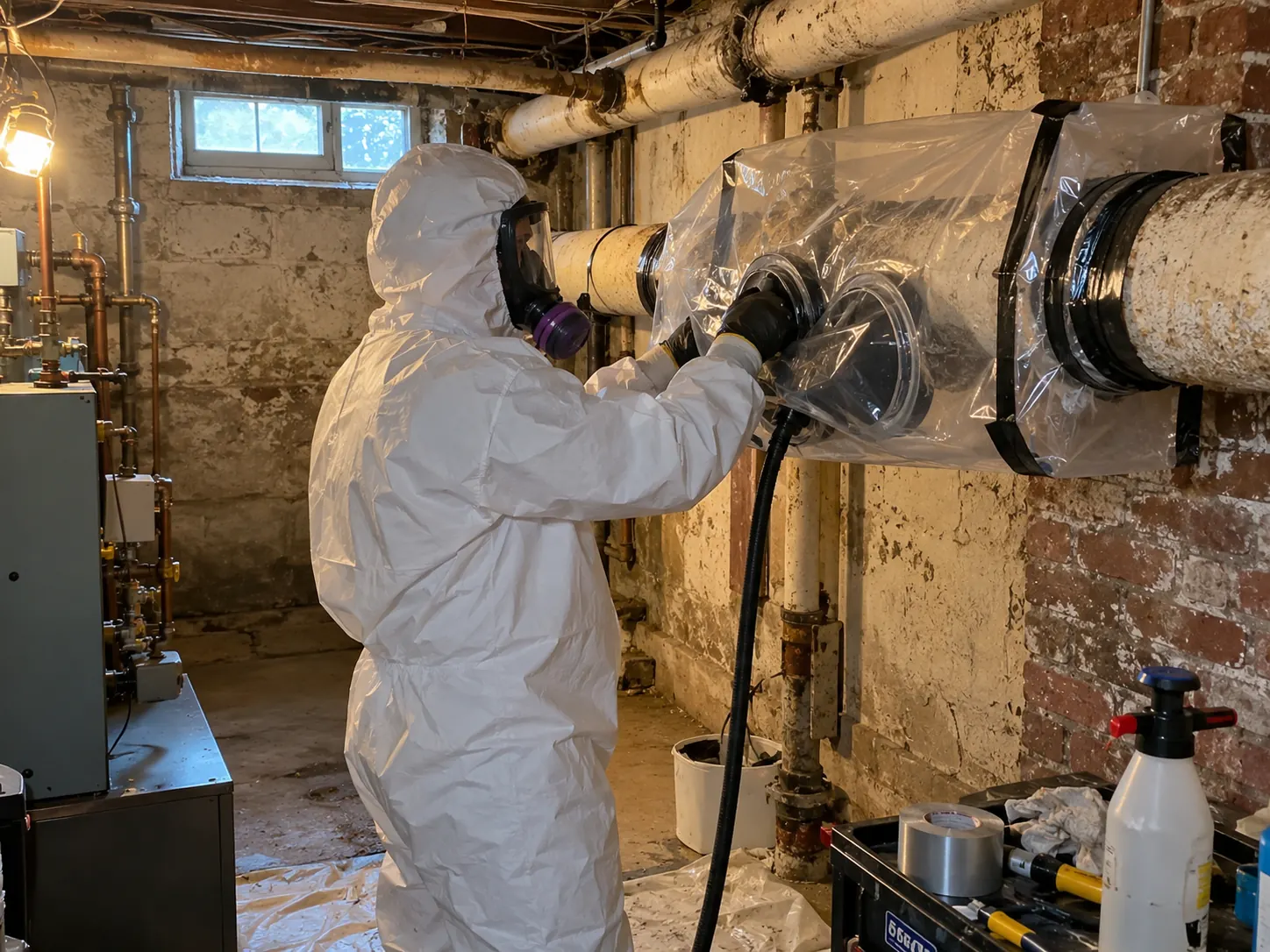
We encourage descriptions that identify the included runs and sections. That is more useful than a general promise to deal with the basement.
We ask about the work planned by your plumber or heating contractor. Responsibilities and handover conditions should be settled before the schedules depend on one another.
Partly concealed or difficult-to-access sections should be acknowledged. We favor a clear process for additional findings rather than an estimate built on unexplained assumptions.
Have an existing report or a heating project on hold? Tell us about the affected pipework and the next step you need to plan.
Free — no obligations
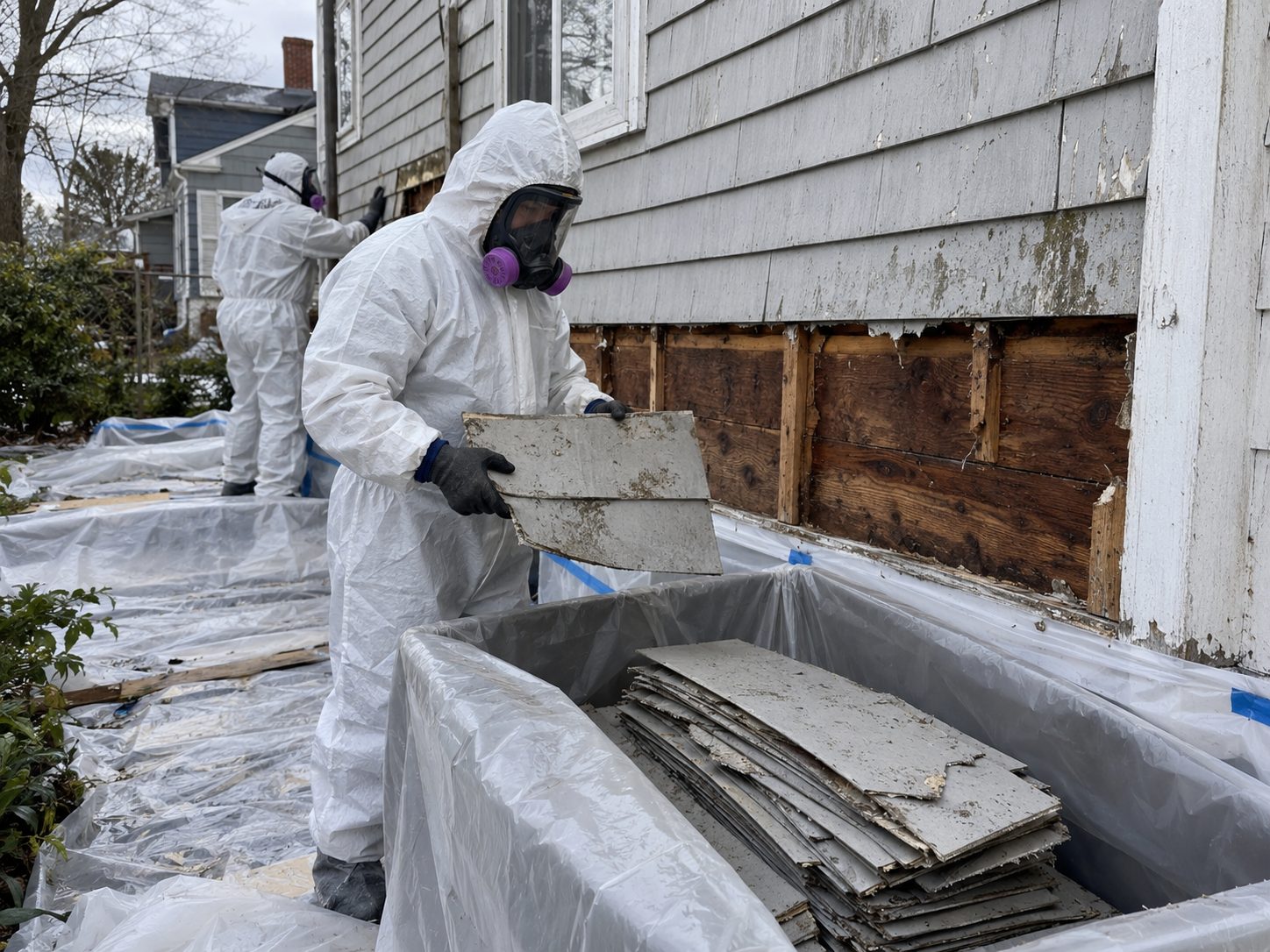
Share the location, available reports, and whether damage has been observed. Explain any related heating or plumbing project and the timing you have been considering.
Ask for the included pipe runs, fittings, and access limitations to be recorded. Confirm which company will undertake regulated work and what further assessment is needed.
Clarify equipment-related work, household arrangements, access preparation, and any replacement insulation. Make sure the removal agreement does not leave those tasks to assumption.
Ask how completion and release of the area will be communicated. Keep the applicable records and share the agreed handover information with the next contractor.